Exercise science / A practical guide
Mobility versus flexibility: what are you trying to improve?
Understand range of motion, movement control, and how to make mobility practice relevant to everyday tasks instead of chasing a deeper stretch.
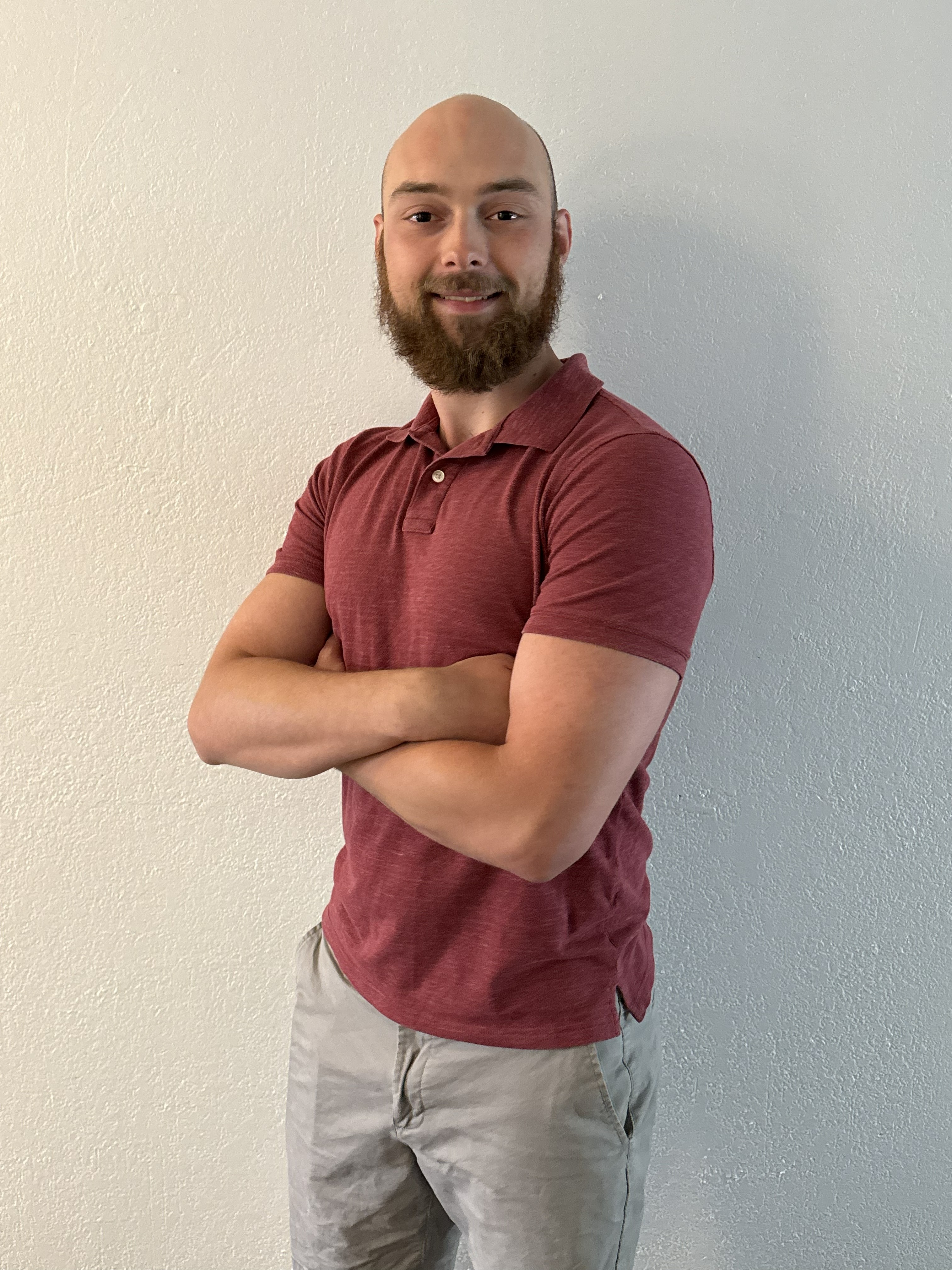 By Oren KeithleyPersonal trainer · Overland Park, KS
The takeaway
Define the movement you want to make easier. A useful range is one you can access and control for that task.
Two related ideas, different questions
Flexibility is commonly used to describe available range of motion or how far a tissue can lengthen. Mobility is often used more broadly to include the ability to move through a range with control. Coaches do not always use the terms identically, so ask what a particular exercise is meant to change.
A deeper stretch is not automatically the same thing as a better squat, reach, or step. Those tasks also involve strength, coordination, balance, and the environment. Start with the task rather than assuming every difficulty comes from tight muscles.
Turn a vague goal into a movement question
“I want better mobility” becomes more useful when it names a task: reaching a shelf, sitting and standing, or stepping over a low obstacle. A trainer can observe the version you currently use and choose a comfortable starting point.
The table below gives examples of questions to explore with a coach. It does not diagnose why a movement is limited.
| Task | Useful question |
|---|---|
| Reach overhead | Can I reach comfortably without forcing the movement? |
| Rise from a chair | Does a different seat height change what I can control? |
| Step over an obstacle | Would stable support or a lower step make practice manageable? |
| Turn to reach behind me | Can I use a comfortable range without a painful end position? |
Practice control within a comfortable range
A simple practice session can focus on one movement, a stable setup, and an unhurried pace. Avoid bouncing or forcing yourself into a position just because a picture shows someone going farther. Compare the same movement under similar conditions if you want to notice change.
Record the task, the setup, and what felt different. “Reached the same shelf with less effort” is a clearer observation than “mobility improved.” Your coach can use that information to adjust the exercise selection.
Keep mobility connected to your training
Strength work and mobility practice do not have to be separate identities. The ACSM resistance-training review includes range of motion among the outcomes studied. That does not mean every resistance exercise solves every movement limitation.
Persistent stiffness, a sudden loss of movement, or unexplained pain needs appropriate assessment. Personal training can support general movement goals; it cannot determine the medical cause of a restriction or replace a clinician’s instructions.
Sources & further reading
General education, not an individual exercise or nutrition prescription. Examples illustrate coaching concepts. Your plan should reflect your ability, preferences, and any guidance from your healthcare team.
Put the idea into practice.
Get a plan that fits your starting point and a clear next step with Oren.
Explore mobility and balance coaching